VAR FURY ERUPTS!” — FIFA are reportedly facing calls to review officiating decisions involving referee Michael Oliver after controversy in the dramatic 3-3 clash between Manchester City F.C. and Everton F.C. 💣🔥

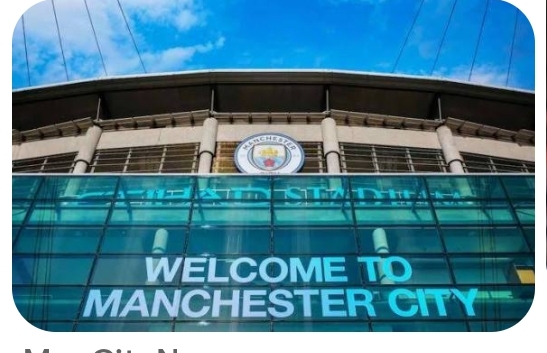
The tension inside the stadium did not disappear when the final whistle blew. If anything, it grew stronger, louder, and more emotional. What should have been remembered as a thrilling 3–3 draw between Manchester City F.C. and Everton F.C. quickly turned into one of the most controversial matches of the season, and now the storm surrounding it is refusing to settle.
At the center of it all is one moment. One decision. One call that never came.
Late in the match, with everything hanging in the balance, Manchester City pushed forward once again, searching for the winning goal. The energy inside the stadium was intense. Every pass carried urgency. Every movement had purpose. And then it happened—the moment that has now sparked outrage across the football world.
A Manchester City player went down inside the box. There was contact. Enough contact, many believe, to justify a penalty. The players immediately appealed. Arms went up. Voices followed. The crowd reacted instantly. It felt like one of those moments where everything stops, where everyone waits for the referee’s decision.
But nothing came.
The referee, Michael Oliver, waved play on. No penalty. No review that changed the outcome. No second chance for Manchester City from the spot. And just like that, the moment passed—but the anger did not.
Within seconds, the focus shifted from the game itself to the officials. Players surrounded the referee, trying to understand how such a decision could be ignored. The bench reacted. The fans reacted. And the sense of disbelief spread quickly.
In modern football, these moments are no longer judged only by the referee on the pitch. They are also examined by VAR, the system designed to correct clear and obvious errors. That is why the frustration became even stronger. Because even if the referee missed it, VAR had the opportunity to step in.
But VAR stayed silent.
That silence is now the biggest issue.
For Manchester City, this is not just about one missed call. It is about trust in the system. It is about consistency. It is about whether the technology that was introduced to reduce controversy is actually doing its job.
Inside the dressing room after the match, emotions were high. Players felt they had been denied a crucial opportunity. A penalty in that moment could have changed everything. It could have turned a draw into a win. It could have shifted the momentum of their season. Instead, they walked away with frustration and unanswered questions.
The coaching staff shared the same feeling. Decisions like this are not easy to accept, especially when they come in such important moments. Football is a game of fine margins, and when those margins are influenced by controversial calls, the impact can be huge.
As the news spread, the reaction from fans and pundits was immediate. Social media exploded with debates, replays, and opinions. Some argued that the contact was clear and obvious. Others tried to justify the decision. But one thing was certain—this was not a moment that would be forgotten quickly.
Now, the situation has escalated even further.
Reports suggest that FIFA is now looking into the incident, placing both the referee and the VAR team under intense scrutiny. That development has taken the story to another level. What started as a controversial moment in a match is now becoming a wider discussion about officiating standards and accountability in football.
An investigation does not automatically mean wrongdoing, but it does show how serious the situation has become. When decisions like this reach the level of global football authorities, it sends a message that something needs to be examined more closely.
For Michael Oliver, this is a difficult position to be in. He is one of the most experienced referees in English football, known for handling high-pressure matches. But even the best officials can find themselves at the center of controversy when decisions go against expectations.