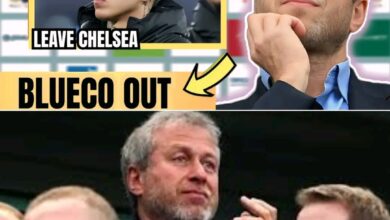
John Terry looked visibly shaken as he addressed the media following the narrow defeat at Old Trafford

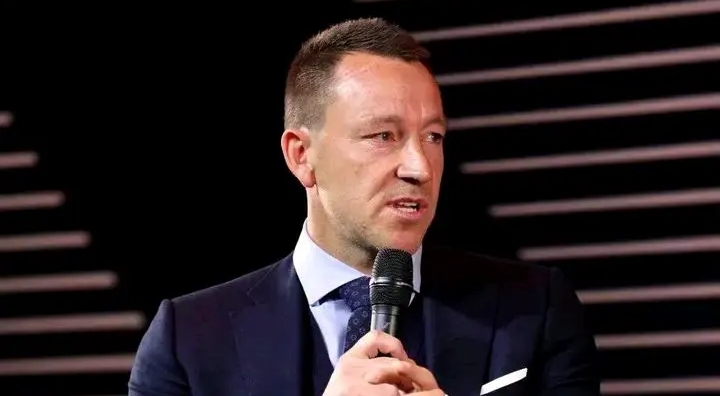
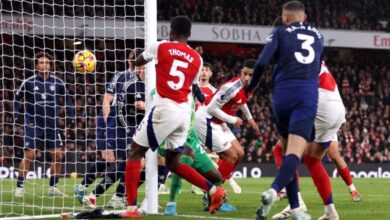
What was supposed to be a defining moment for Chelsea FC instead turned into a bitter night of frustration at Old Trafford, as a narrow 1–0 defeat to Manchester United sparked an emotional reaction from club legend John Terry.
The former captain, now heavily involved behind the scenes with the Blues, could barely hide his anger after the final whistle. What unfolded on a wet Manchester evening felt less like a routine league fixture and more like a dramatic unraveling, especially given the circumstances surrounding the match-winning goal.
Chelsea controlled large portions of the game and looked the more convincing side throughout, dominating possession and creating more opportunities. Yet, despite their superiority, they were undone by a single decisive moment—produced by a player who once wore their badge. His celebration only added fuel to the fire, as it appeared to strike a nerve with Terry, who viewed the entire episode as something far deeper than just football.
Speaking after the game, Terry made it clear the defeat was difficult to accept. He insisted Chelsea had done enough to win, pointing to their command of the match and the chances they created, including hitting the woodwork. However, he suggested that facing someone so familiar with the club’s inner workings gave United an edge that proved decisive.
Although he avoided mentioning names, his comments strongly hinted at a sense of betrayal. According to him, allowing such a player to leave in the first place was a costly mistake, one he has already raised with the club’s hierarchy. Watching that same figure return to haunt them—and celebrate so passionately—clearly crossed a line for the former defender.
Beyond the emotions, the numbers painted a frustrating picture for Chelsea. They enjoyed around 62 percent possession and registered significantly more attempts on goal, yet lacked the cutting edge when it mattered most. Meanwhile, United were efficient, relying on discipline and tactical awareness—qualities seemingly amplified by the presence of someone who knew Chelsea’s patterns inside out.
That familiarity showed throughout the contest, as several promising Chelsea moves were cut out early. It often felt like United anticipated their every step, breaking up attacks and dictating pressure at key moments.
In the aftermath, attention now shifts back to Stamford Bridge, where questions are beginning to surface about decisions made off the pitch. Terry’s outburst has only intensified scrutiny on the club’s transfer choices and long-term planning.
For him, this wasn’t just about dropping three points. It was about loyalty, identity, and seeing a former ally turn into the difference-maker on a painful night. As he left the scene, his closing remarks carried a warning tone—suggesting that while the victory belonged to United now, the true cost of that decision might only become clear with time.