“Nice to finally get one over on Manchester City F.C. — they’ve taken so many Premier League titles away from me and Liverpool F.C. over the years, and it still hurts! Beating them felt like sweet revenge… I wish I could celebrate with the Liverpool fans because I truly love them, but it feels like they don’t love me anymore. That pain cuts deeper than any loss.” — a former Liverpool hero has made an emotional confession after a dramatic win

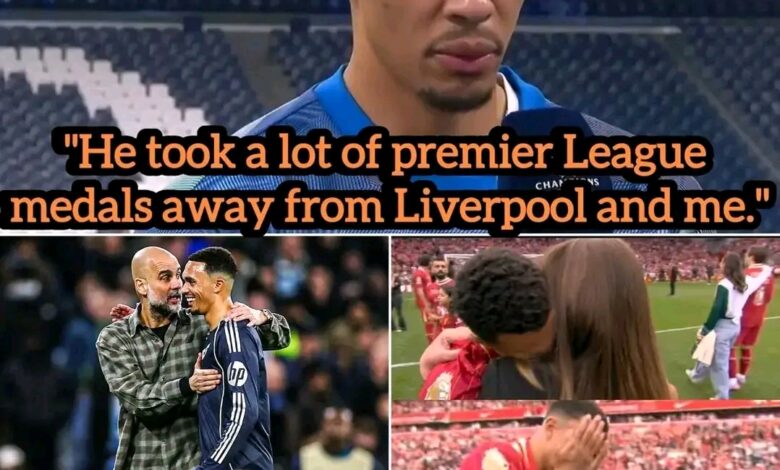
It was the kind of night that feels bigger than the sport itself — the atmosphere, the pressure, the history all converging at once. When the final whistle sounded and his team had overcome Manchester City, he didn’t react the way his teammates did. No sprint across the pitch, no leap into the air, no roar of release. He simply stood still, eyes moving slowly around the stadium, like a man caught between two very different feelings — because for him, this wasn’t just three points. It was something far more personal, and far more complicated.
This moment had been a long time coming. Not merely the result, but what it represented — the chance to take something back from a club that had taken so much from him. Those years at Liverpool, those title races that stretched across entire seasons, those defining nights where everything was on the line and City, somehow, always seemed to find a way through. He was there for all of it. He lived it, absorbed it, and carried the weight of it long after he moved on.
So when the opportunity finally came, when he was finally on the right side of the result, you might have expected uncomplicated joy. Instead, what came across was something more layered — a satisfaction that arrived tangled up with grief, a smile that had pain running underneath it. Beating City felt like a form of justice. But it also brought everything he had lost rushing back.
That tension became clearer when he spoke after the game. This was not the usual post-match ritual of careful, measured words. He opened up in the way players rarely allow themselves to, and what came out was raw. He said the victory felt like payback — real, meaningful payback for all those seasons that ended just short, for all those dreams that dissolved into second place. He didn’t soften it or dress it up. It mattered, and he said so.
But then something shifted. Not in his voice, but in what he was saying — because he moved from talking about trophies and rivals to something that clearly cuts even deeper. He started talking about the Liverpool fans. The people he once played for. The people whose songs once carried his name around Anfield.
He said he wished he could share the moment with them. That somewhere beneath the surface, a part of him still feels bound to them, still feels like he belongs to that story. And then came the admission that seemed to cost him the most to make — that it feels as though they no longer love him, and that this particular pain is heavier than anything football has put him through. Heavier than lost finals, heavier than near-misses, heavier than any defeat he has sat with in a dressing room. Because this isn’t about results. It’s about connection. About mattering to people. About belonging somewhere.
And right now, he doesn’t feel that he does.
It’s a strange and uncomfortable kind of loss to carry, because nothing about what he gave to that club has been erased. The effort, the commitment, the battles fought across those title races — none of that has changed. But football has a short memory, and so do emotional loyalties. A player who was once cherished can quietly become something else in the minds of supporters, particularly once he is representing someone else’s cause.
Whether it’s the manner of his departure, the shirt he now wears, or simply the way the sport conditions people to move on — the result is the same. He senses the gap. He feels the absence of warmth where there was once so much of it. And it sits with him in a way that a missed penalty or a lost trophy never quite could.
What makes it more striking is how he responded to that feeling. There was no bitterness, no impulse to push back or apportion blame. He spoke about them with the same affection he always did. He said the win was for them — for the supporters who once stood behind him, who once believed in what he was doing, even if that belief has since faded. He may feel that they have moved on from him. But he hasn’t moved on from them.
That is the heart of it. A man carrying a victory that should feel clean, but doesn’t quite — because the people he most wants to share it with are the same people he fears he has already lost.