Micheal Carrick reveals the outcome of INEOS meeting yesterday that really got Him upset

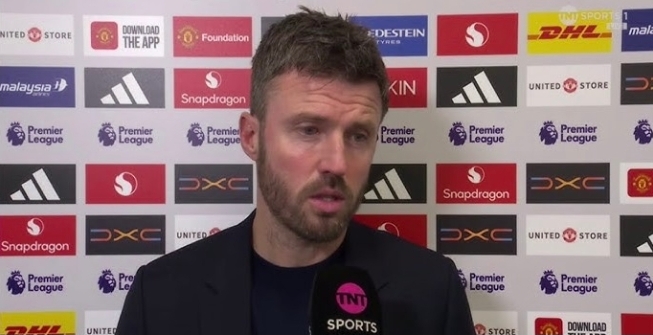
Fresh tension is quietly building behind the scenes at Manchester United as the club edges closer to naming a new head coach — a move that has reportedly unsettled sections of the existing coaching setup, with Michael Carrick said to be particularly uneasy about the development.
Carrick, a respected presence at Old Trafford and a former interim manager following Ole Gunnar Solskjær’s exit, is believed to be wrestling with mixed emotions. Having stepped into the spotlight during a turbulent chapter in the club’s recent history, he steadied the ship and delivered important results that restored a measure of calm. His brief spell in charge strengthened his belief that he has what it takes to lead the team on a permanent basis.
Few understand the inner workings of Manchester United the way Carrick does. After years of service as a composed midfield general and later transitioning into coaching, he has built strong relationships within the dressing room. His tactical insight and calm authority earned praise from players and senior figures alike, reinforcing his conviction that he could shape the club’s future from the dugout. News of an imminent external appointment, however, appears to have left him feeling overlooked at a crucial moment in his managerial journey.
From the boardroom perspective, the decision to pursue a new head coach aligns with a broader strategy aimed at restoring long-term competitiveness. United’s hierarchy is acutely aware that recent seasons have fallen short of expectations, both domestically and in Europe. Bringing in a high-profile or experienced figure may be viewed as a necessary step toward rebuilding consistency and challenging for major honours again. Yet that ambition inevitably clashes with Carrick’s desire to cement his own legacy at the club he has served for so long.
The situation also raises concerns about continuity within the squad. Carrick’s rapport with players has been widely acknowledged, and managerial changes often disrupt established dynamics. A new voice with different methods and philosophies could require a period of adjustment, potentially unsettling a dressing room that responded positively to Carrick’s leadership style. Timing, therefore, becomes critical in determining whether this transition strengthens or destabilises the team.
There is also a symbolic dimension to the debate. Carrick embodies a link to Manchester United’s modern golden era — a homegrown coaching figure who understands the club’s traditions and standards. For some supporters, overlooking someone so closely tied to United’s identity may signal a shift away from promoting internal continuity. The tension highlights a broader question in football: should clubs prioritise fresh external ideas, or place faith in individuals shaped by their own culture?
As the anticipated announcement draws near, Carrick’s reported frustration captures the emotional complexity of the moment. His reaction reflects ambition, loyalty, and a belief in his readiness to take on greater responsibility. Ultimately, Manchester United’s future will depend on how effectively the club balances innovation with heritage, ensuring that any new direction does not erase the values that define it. Whatever unfolds, Carrick remains an influential figure at Old Trafford, and how this chapter concludes could shape both his path and the club’s next era.