Micheal Carrick reveals what Amad diallo said about him to the media yesterday that made him upset

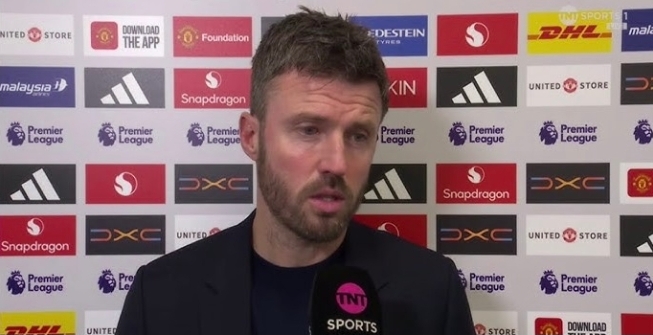
Tension briefly overshadowed what was otherwise an intense contest between Manchester United and Everton, as head coach Michael Carrick found himself addressing an emotional touchline moment involving Amad Diallo. While Carrick’s tactical switches played a key role in shaping the flow of the game, attention shifted to Diallo’s reaction after he was taken off in the second half.
The young winger, who has been steadily building a reputation for his sharp attacking displays, was replaced around the 70-minute mark with the match still delicately poised. Up to that stage, Diallo had contributed energy and creativity in the final third, linking play and troubling defenders. However, Carrick opted to alter the approach by introducing Benjamin Šeško, seeking added physicality and a more direct goal threat.
Diallo’s visible frustration as he left the pitch did not go unnoticed. Reports suggested he headed off angrily, a reaction Carrick later described as disappointing. Speaking after the game, the United boss acknowledged that substitutions can be difficult for players who feel they are performing well, but stressed that the team’s objectives must always outweigh individual emotions. He underlined the importance of professionalism, particularly in the demanding environment of the Premier League.
Carrick explained that Šeško’s introduction was purely tactical. The Slovenian forward’s strength and instinct in front of goal, he noted, offered a different dimension against a stubborn Everton side. Decisions from the bench, he insisted, are always made with the collective in mind.
While Diallo’s reaction sparked debate about maturity and mindset, it also presents a chance for growth. Carrick, known for his calm and measured approach, is likely to handle the matter internally, guiding the winger on how to channel disappointment into motivation. Managing emerging talents requires balancing encouragement with discipline, ensuring emotional responses do not disrupt team unity.
As United continue their campaign, maintaining harmony within the squad will be just as important as tactical brilliance. Moments like this serve as reminders that football is as much about character as it is about skill, and how young players respond to setbacks can define their long-term trajectory.