Breaking News: Cunha fumes as he blasts one Manchester United teammate for squandering five golden opportunities against Leeds United

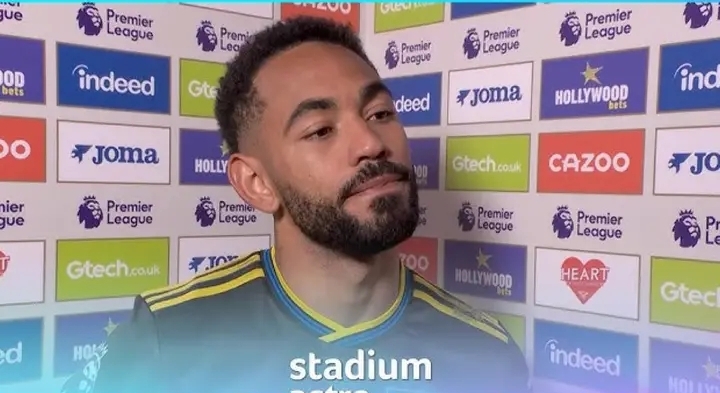
Manchester United’s tense draw with Leeds United has sparked controversy well beyond the final whistle, with the most explosive reaction coming not from pundits or supporters, but from inside the dressing room itself.
In remarks that have quickly reverberated around Old Trafford, Matheus Cunha has reportedly singled out a teammate for blame, accusing him of squandering five clear chances and derailing what could have been a genuine push at the top of the table. The player at the centre of the storm is Benjamin Šeško, and Cunha’s words were anything but restrained.
“I’ve lost count of the number of sitters he missed yesterday as a professional footballer,” Cunha is said to have remarked. “If not for that, we’d be talking about being in the title race right now.”
The comments struck a nerve not only because of their bluntness, but because they were made publicly, leaving little room for interpretation or damage control.
United approached the Leeds fixture with confidence and purpose. Results elsewhere had gone their way, belief within the squad was growing, and the sense was that a victory could significantly reshape their season. Instead of capitalising, they walked away with dropped points and simmering frustration. According to Cunha, that frustration had a clear focal point.
United created enough chances to put the game beyond doubt, repeatedly carving open Leeds’ defence. Cunha insists that five of the clearest openings fell to Šeško, and that none were taken. For a side with ambitions at the top end of the table, such waste proved costly. In matches where margins are thin, failure to convert dominance into goals often comes back to haunt teams, and this was no exception.
What has made the situation even more striking is Cunha’s character. He is not known for public criticism or emotional outbursts away from the pitch, which has only amplified the weight of his words. Those close to the squad suggest his frustration has been building over time, fuelled by a series of matches in which United controlled games but failed to finish them off. The Leeds draw, it seems, pushed him beyond his limit.
Missed chances piled up, body language dipped, and by the time the match ended, the overriding feeling inside the camp was not relief, but anger. Cunha’s reference to Šeško “as a professional player” was particularly sharp, hinting at questions beyond form and touching on standards and accountability at the highest level.
United’s league position reflects improvement, but also a lingering sense of what might have been. Several draws could easily have been wins, and a handful of converted chances across recent fixtures would have painted a very different picture. Cunha’s belief that United could already be in the title conversation is rooted in simple mathematics, not exaggeration.
Šeško arrived at the club surrounded by optimism, viewed as a striker with physical presence, intelligence, and long-term potential. However, at a club like Manchester United, patience is often thin. Potential must be matched by end product, and his performance against Leeds has intensified scrutiny from every angle — including within the squad.
Public criticism from a teammate is rare, and when it happens, it usually signals underlying tension. Insiders suggest Cunha’s outburst reflects a group convinced they are capable of more, yet increasingly frustrated by recurring shortcomings. When belief clashes with repeated disappointment, unity can be tested.
For Ruben Amorim, the situation represents a defining leadership challenge. He must manage dressing-room harmony while confronting uncomfortable truths. His philosophy is built on collective responsibility and discipline, and open finger-pointing threatens that balance. At the same time, the missed opportunities cannot simply be brushed aside.
Reaction among supporters has been mixed. Some have praised Cunha for voicing what many feel, arguing that elite teams are built on brutal honesty. Others believe he crossed a line, insisting such matters should remain behind closed doors. Even so, few deny that the chances were there — and wasted.
The spotlight on Šeško is now harsher than ever. Every appearance will be dissected, every miss magnified, and every decision questioned. Confidence is fragile for a striker, and once doubt seeps in from within the squad, recovery becomes even more difficult. How he responds in the coming weeks may well shape his future at the club.
This episode could mark a turning point in United’s season. It could galvanise the squad, sharpen standards, and spark a renewed push forward. Or it could deepen divisions and allow small cracks to grow into serious problems. History suggests that genuine contenders react decisively in moments like this.
Cunha voiced what many were thinking, but few dared to say aloud. Five chances went begging, responsibility was laid bare, and the consequences may stretch far beyond a single match. Whether this becomes the catalyst for progress or the start of unraveling now depends on what United do next — because at this level, football rarely forgives waste.