Ruben Amorim fumes at one Man United player, who lost possession eight times last night

Manchester United’s wild 4–4 draw with Bournemouth left Old Trafford reeling, not just because of the scoreline but because of what followed afterward. Beyond the defensive chaos and missed chances, attention quickly shifted to one player whose night became the center of the storm: Casemiro.
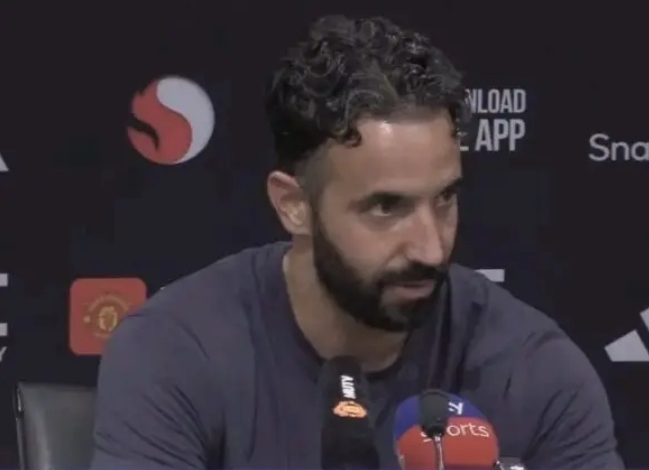
In a rare and brutally honest post-match assessment, head coach Rúben Amorim spoke with startling clarity. He accepted responsibility for his selection but made it clear he felt let down by his experienced midfielder.
“My biggest regret from the game was starting him,” Amorim admitted. “Three mistakes, three goals. That cannot happen. This is the last time he starts for me before January.”
The statement landed heavily. Casemiro, a multiple Champions League winner and once a pillar of reliability, was publicly called out by his own manager in a way that few senior players at United have experienced in recent years. It marked a sharp fall from grace for someone who was once viewed as untouchable.
On the pitch, Casemiro endured one of his most difficult outings in a United shirt. His role was to steady the midfield, protect the defence, and control the tempo, but instead his errors repeatedly invited pressure. Loose passes, poor decisions under pressure, and lapses in positioning allowed Bournemouth to attack through the middle with alarming ease. Each mistake added strain to an already fragile defensive setup and shifted momentum away from United when control was most needed.
Amorim’s frustration was evident throughout the match. Known for demanding discipline and intensity, he appeared increasingly agitated on the touchline as turnovers piled up. After one particularly dangerous loss of possession that nearly resulted in another Bournemouth goal, the decision was made to withdraw Casemiro. It was not an impulsive move, but a calculated signal that standards were being enforced.
Tactically, the breakdown was glaring. Amorim’s system depends heavily on the holding midfielder to read danger early, block passing lanes, and provide balance when the team pushes forward. Casemiro struggled to meet those demands. His lack of mobility showed when Bournemouth moved the ball quickly, and once pulled out of position, he found it difficult to recover. Opponents exploited the space behind him, leaving United’s defenders exposed time and again.
The reaction from supporters was swift and unforgiving. Online platforms filled with criticism, with many fans agreeing that sentiment could no longer outweigh performance. While some expressed disappointment rather than anger, acknowledging Casemiro’s past achievements, there was a growing sense that the intensity of the Premier League may now be catching up with him.
Amorim’s mention of January did not go unnoticed. Within the club, there is a growing belief that midfield reinforcements are being seriously considered, and Casemiro’s place in the long-term plan is now uncertain. Though no official decision has been communicated, the message from the manager was unmistakable. Starting places are no longer guaranteed, regardless of reputation or experience.
Younger players are expected to benefit from this shift, with greater trust likely to be placed in emerging options as United search for stability and consistency. Amorim appears determined to reshape the squad around energy, discipline, and tactical reliability.
This episode may come to define an early chapter of Amorim’s reign. By openly criticizing a senior figure, he has shown a willingness to challenge hierarchy and confront issues head-on, even if it risks discomfort in the dressing room. For a club often accused of clinging to past glories, the move signals a harder edge and a clear message that performance now outweighs legacy.
The draw itself was dramatic and unsettling, but its lasting impact may be far deeper. Casemiro’s future at Manchester United is suddenly uncertain, and the manager’s stance leaves little room for ambiguity.
What happens next—whether a response, a gradual phase-out, or a January exit—remains to be seen. What is certain is that under Rúben Amorim, accountability is non-negotiable, and the direction of United’s midfield is now firmly under the spotlight.


