Man United coach Ruben Amorim named the one Manchester United player he regrets playing against Crystal Palace yesterday

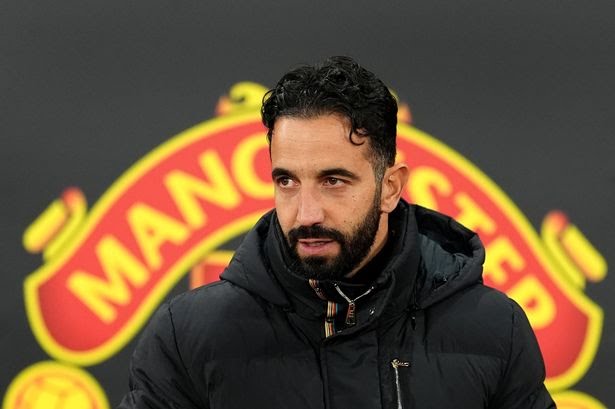
Manchester United’s tense battle with Crystal Palace had everything—nerves, errors, flashes of brilliance, and a finish that kept supporters on edge. Yet the moment that stole the spotlight didn’t happen on the pitch. It came later, when Rúben Amorim walked into the press room and let his frustrations spill out in a way nobody expected.
In a blunt admission that instantly set social media ablaze, the United boss confessed he wishes he hadn’t started Diogo Dalot, accusing the right-back of contributing almost nothing and nearly putting the team in serious trouble before Mason Mount and Joshua Zirkzee came to the rescue late on.
Known for keeping his cool and shielding his players from criticism, Amorim’s tone this time was different—sharper, more emotional, and impossible to misinterpret.
He didn’t sugarcoat it. “I regret starting him today… he did absolutely nothing,” he said, leaving reporters stunned. He went on to explain that without Mount stepping in with leadership and precision, the night could have gone terribly wrong. United had put themselves in danger repeatedly, especially from situations that should have been easy to manage.
It became clear that Dalot’s showing had fallen far short of expectations. His decision-making on the right side of the defence caused issues all evening, disrupting United’s flow and inviting unnecessary pressure.
Analysts reviewing the match pointed out several major problems: he constantly left gaps behind him, struggled to keep possession, offered little going forward, and reacted slowly whenever Palace applied pressure. Palace clearly identified his flank as United’s weak spot and kept targeting it.
Those mistakes piled up, and Amorim’s anger reflected how close United came to paying the price for them.
On the opposite end of the spectrum were Mount and Zirkzee, whose influence changed everything. Mount took control of midfield when United were losing grip, dictating the pace, calming the chaos, and making the kind of decisions that top players are trusted with. Meanwhile, Zirkzee’s link-up play and composure helped United regain balance in attack, easing the pressure on a defence that was struggling to stay afloat.
Amorim openly acknowledged their importance: “Mount saved us. Zirkzee helped us survive the pressure.”
Inside the dressing room, tension hung in the air. Dalot reportedly knew he had struggled and didn’t hide his disappointment. Teammates tried to lift his spirits, but Amorim’s public frustration has now put the spotlight firmly on his shoulders.
Club sources say the manager plans to meet with his defensive group before the next match to reinforce discipline and remind them of the standards expected. And fans had plenty to say too—some agreeing that Dalot’s display was poor, others warning that such public criticism might impact his confidence.
Even with the backlash, most supporters agreed that Mount and Zirkzee prevented what could have been a disastrous night.
Dalot has produced quality performances this season, and Amorim still sees him as an important player. But this match revealed issues he can’t ignore. The coming days will determine how Dalot responds—whether he shrinks under pressure or fights his way back into top form.
What’s certain is that Amorim’s rare outburst has sent a message through the club. Mistakes have consequences. Standards must be met. And this game showed just how thin the line can be between relief and disaster.
United walked away with the win, but Palace exposed cracks Amorim now intends to fix—starting with the player he wishes he hadn’t started at all.