Amorim reveals half-time team talk after Man Utd ‘didn’t exist’ in first half at Everton

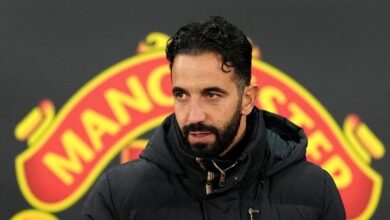
Manchester United’s first-half display at Goodison Park was nothing short of a disaster. Completely outplayed and second-best in every department, they looked disjointed and vulnerable, with manager Ruben Amorim visibly frustrated on the touchline. Everton’s relentless pressure exposed defensive frailties, and by halftime, United found themselves trailing by two goals, seemingly on course for another dismal league defeat.
However, whatever Amorim said in the dressing room during the break sparked a remarkable transformation. The United side that returned for the second half looked nothing like the one that had struggled so badly in the opening 45 minutes. They came out with urgency, sharper movement, and a renewed sense of purpose, quickly turning the tide of the game.
After the match, Amorim shed light on his halftime message, making it clear that he demanded accountability from his players. He didn’t sugarcoat the situation, emphasizing that such a lethargic and uninspired performance was unacceptable for a club of United’s caliber. His passionate speech, combined with tactical tweaks, resonated with the squad, who responded by fighting back to salvage a crucial point.
While their spirited second-half display was commendable, the bigger concern is why United keep finding themselves in these situations. Amorim’s halftime intervention worked this time, but relying on mid-game wake-up calls isn’t a sustainable formula for success. If they are to truly compete at the highest level, they must start matches with the same intensity they displayed after halftime. The real question is whether Amorim has the right squad to correct these issues or if the problem runs deeper, rooted in mentality rather than personnel.